I’ve spent the last decade moving from the concrete reality of venue operations to the high-stakes world of B2B conference production. If there is one thing that keeps me awake at night, it is the industry’s persistent, stubborn tendency to label a single camera feed of a stage as a "hybrid event." Let me be clear: streaming a keynote is a broadcast. It is not hybrid.
True hybrid events are about building a bridge between two physical locations, whether that's a ballroom in London or a home office in Sydney. When we treat the digital audience as an afterthought—the "add-on" that gets whatever is left over—we aren't just missing an opportunity; we are actively damaging our brand. If you want to succeed, you need to master event journey mapping to ensure that your remote participants feel as much ownership over the event businesscloud.co as the people in the front row.
The Structural Shift: Beyond the Livestream
For years, event professionals viewed the "live event" as a finite period: doors open at 09:00, closing remarks at 17:00. The transition to hybrid models forces us to realize that the "event" is no longer a moment in time; it is a longitudinal experience. The audience’s expectations have fundamentally shifted. They don't want to consume content; they want to participate in a community.
When you under-invest in the digital infrastructure, you fall into the "Second-Class Experience" trap. My career has been defined by fixing these broken journeys. If you aren’t planning your pre and post touchpoints with the same rigor you apply to the catering menu or the stage lighting, you have already failed.
Event Journey Mapping: Designing the Full Arc
To design an effective audience engagement plan, you must map the journey from the moment an attendee registers to the moment they receive their post-event summary. Here is how I break down the phases:
1. The Pre-Event Phase: Building Anticipation and Inclusion
In-person attendees get the "buzz"—they see the signage, they meet the venue staff. Your virtual attendees are staring at a splash screen. Your pre-event touchpoints must bridge this gap.
- Digital Welcome Kits: Send physical items to virtual delegates that mirror the swag in-person attendees get. A branded notebook or a specific coffee blend creates a shared sensory experience. Curated Networking: Use audience interaction platforms to host "get-to-know-you" breakout rooms or AI-driven matchmaking sessions a week before the event. Access to "Sneak Peaks": Give virtual attendees a behind-the-scenes look at the setup. Show them the tech check. Let them vote on a minor agenda item.
2. The "What Happens After the Closing Keynote?" Check
Every time I consult for a team, I ask: "What happens after the closing keynote?" Usually, the answer is silence. The virtual audience hits "exit," the lights go down in the hall, and the connection is severed. This is a massive missed opportunity for retention.
After the closing keynote, your audience needs a place to land. This might be a curated discussion forum on your live streaming platform, a virtual happy hour, or an exclusive Q&A session with a high-profile speaker that wasn't included in the main stage feed.
The Checklist: Avoiding the "Second-Class Experience"
I keep this checklist on my clipboard during every production meeting. If you find yourself checking "Yes" to these, your hybrid strategy is likely underperforming:
Sign of Failure The "Hybrid Expert" Correction Virtual audience can hear, but not interact. Integrate dedicated audience interaction platforms to allow real-time polls/Q&A. Virtual speakers are treated as "interviews" while the room has a panel. Use a split-screen layout that places remote participants on the main stage LED wall. No interaction between in-person and virtual attendees. Host "hybrid hubs" where remote participants are assigned a live "room buddy." The event agenda is optimized only for the local time zone. Record and re-broadcast key sessions at localized times to honor your global audience.Designing Equal Experiences
Equality isn't about giving everyone the same experience; it's about giving everyone the same value. For an in-person attendee, the value is serendipitous networking. For a virtual attendee, the value is efficient, accessible, and deep-dive content.
Leveraging the Right Tools
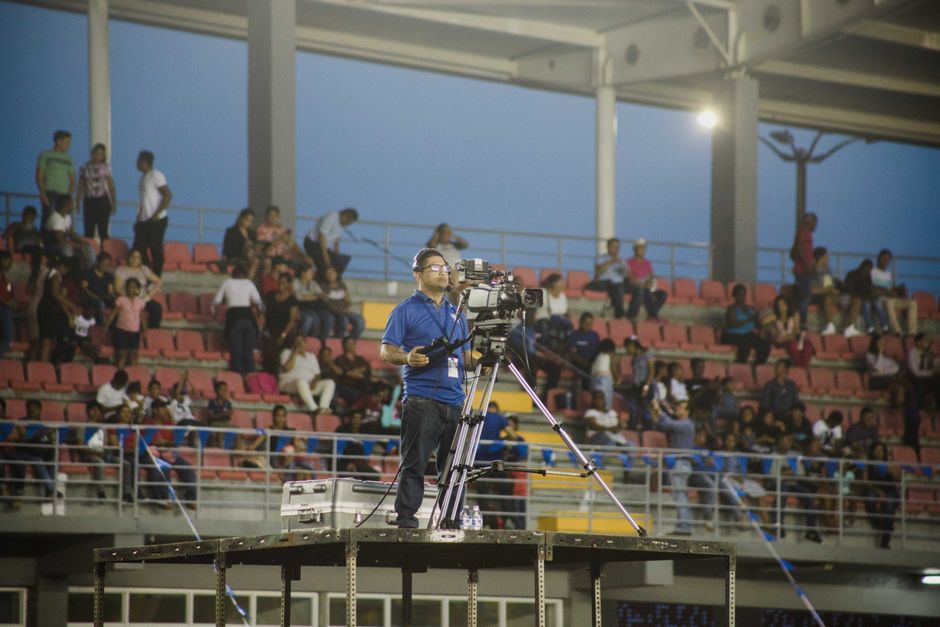
I frequently see organizers spend 80% of their budget on AV and 20% on the software platform. Flip that. A fancy camera means nothing if the digital engagement loop is broken. When choosing your live streaming platforms and audience interaction platforms, look for:

The Metrics of Success: Beyond Vague Claims
I have a visceral reaction to organizers who claim their hybrid event was a "huge success" based solely on registration numbers. That is a vanity metric. If you want to demonstrate ROI, focus on engagement depth:
- Session Stickiness: What percentage of your virtual audience stayed for the full duration of a 45-minute session? Interaction Ratio: How many questions were asked per 100 virtual attendees versus in-person attendees? Post-Event Velocity: How many virtual attendees clicked the "Watch On-Demand" links sent in the follow-up email within 24 hours of the event closing?
If you aren't tracking these, you're flying blind. You are essentially throwing a party and forgetting to check if anyone actually danced.
Final Thoughts: Don't Stop When the Curtain Falls
Designing a hybrid journey is not a one-time project; it is a discipline. Stop viewing your remote audience as a satellite population and start viewing them as the primary drivers of your post-event content strategy. The event shouldn't "end" with the closing keynote—it should transition into an on-demand, community-driven resource hub that keeps the conversation going until the next one.
If you are still just streaming your stage and calling it hybrid, stop. Take a breath. Look at your event journey mapping, rebuild your audience engagement plan, and ask yourself the only question that matters: What are they doing after the closing keynote?