I’ve spent nine years behind a bank desk and even longer coaching households through the messy reality of personal finance. If there is one thing I’ve learned, it’s that we don’t need more "cut your lattes" advice. What we need is a system to cap entertainment spending without turning our lives into a joyless exercise in deprivation.
Most of the frustration I see from clients comes from "subscription drift"—that subtle, quiet erosion of your bank account caused by $9.99 here and $14.99 there. Before you know it, you’re spending hundreds on digital goods, mobile games, and streaming services you barely remember signing up for. Let’s talk about how to stop the bleeding and turn your entertainment budget into a deliberate decision space.
Entertainment as a Defined Budget Category
First, let’s reframe how we view fun. Many people treat entertainment as a "leftover" expense—the money that remains after the rent is paid and the groceries are bought. When you treat it as a leftover, it becomes a "leak." It isn't managed; it’s simply experienced.
You need to move entertainment into a defined budget category. This doesn't mean you stop having fun. In fact, when you have a set amount assigned to "Fun," you can spend every single penny of it without an ounce of guilt. You aren't wasting money; you are spending your allocated, intentional resources on things that make your life better.
The Problem with Open-Ended Spending
When you don't have a cap, your brain categorizes entertainment as "necessary" if it feels good in the moment. That’s how a $5 mobile game upgrade turns into a $50 monthly habit. When you fail to avoid open-ended spending, you are essentially letting the apps and subscription providers determine your financial future. You are the customer; you should be the one defining the boundary.
The 10-Minute Weekly Check-In
I am a stickler for the "10-minute check-in." Every Sunday evening, I open my banking app, look at the last seven days of transactions, and categorize them. This is where I write "planned vs. unplanned" in the margins of my notebook. It takes exactly ten minutes, but it is the single most effective tool for stopping leaks before they become rivers.
If you don't look at the data, you can't manage the outcome. Your banking apps are not just portals for checking balances; they are audit tools. Use the search functionality to pull up every "recurring" charge. If you don't recognize it, kill it. If you do recognize it but don't use it, kill it. If you use it, check if it’s currently sitting inside your "defined budget category."
Planned vs. Unplanned: A Coaching Perspective
When we look at our spending, we have to distinguish between things we consciously chose and things that "happened" to us. Use this table to categorize your recent entertainment spending:

The goal is to shift as much as possible into the "Planned" column. If it’s in the "Unplanned" column, it’s a symptom of a missing boundary.
Start with One Small Limit
I hate all-or-nothing budget advice. You don't need to cancel every subscription you have, delete all your apps, and swear off movies for a year. That’s a recipe for burnout and an immediate "spending binge" a month later.
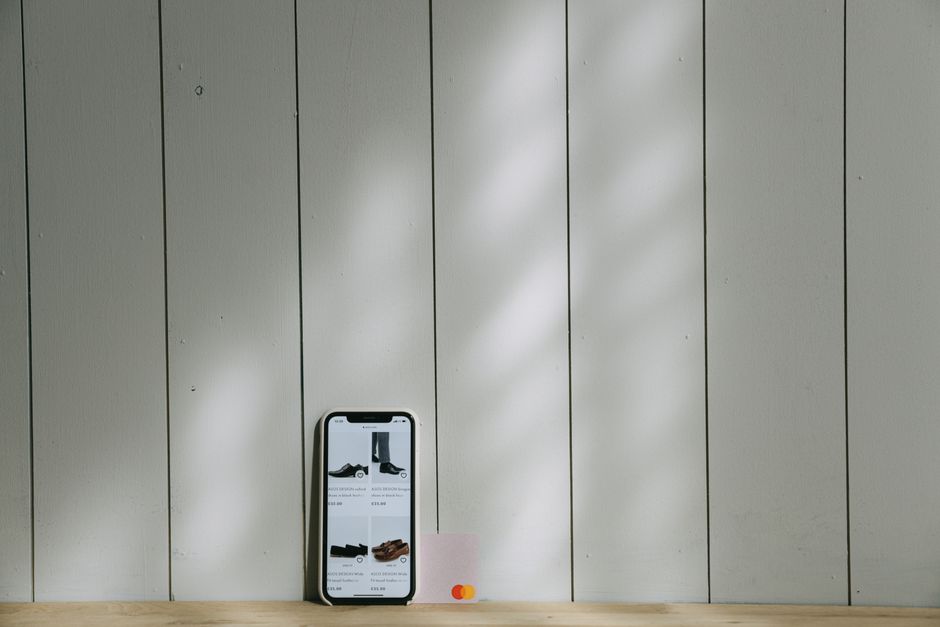
Instead, pick one category to cap this week. Maybe it’s mobile games. Maybe it’s the "extra" streaming service that you only watch one show on. Put a hard limit on that specific thing. Tell yourself: "I will only spend $15 on mobile games this month, and I will do it using a pre-paid gift card if I have to."
By creating a small limit, you train your brain to prioritize. You start asking, "Is this game worth my $15, or would I rather save that money for the new movie release next week?" That is how you reclaim agency over your money.
Using Technology to Your Advantage
We are lucky to live in an age where our devices can help us maintain these boundaries. Don't just rely on your willpower; use your budgeting platforms and banking apps to set up guardrails.
- Subscription Management Features: Many modern banking apps now have a tab specifically for "Subscriptions." It tracks recurring payments for you. Use it! Transaction Alerts: Set an alert for every transaction over $5. It sounds annoying, but it forces you to acknowledge every single purchase, even the tiny ones. Virtual Cards: Use services that allow you to create "burner" cards for subscriptions. If you set a subscription to a burner card with a hard limit, the transaction will simply decline if you try to go over, or you can pause the card instantly without navigating a labyrinthine cancellation process.
Reframing "Disposable Income"
Your disposable income is a deliberate decision space. It is not money that fell from the sky. It is the reward for the hours you worked. When you spend it on entertainment, you are trading your life energy for a moment of enjoyment. That is a perfectly valid trade, provided that you are the one deciding the value of that trade.
If you find yourself feeling guilty about your entertainment spending, it’s usually because you aren't sure if you’re actually allowed to spend that money. When you build a budget with a clear category, the guilt evaporates. You know you’ve already covered your savings, your bills, and your debts. The rest is yours to spend on whatever brings you genuine joy.
Taking the Next Step: Your 10-Minute Action Plan
I promised no vague tips, so here is exactly what you need to do in the next 10 minutes MoneyHelper budgeting advice to stop the bleeding:
Open your primary banking app. Search your transaction history for the last 30 days. Identify every recurring payment. List them on a piece of paper. Circle the ones you haven't used in the last two weeks. Cancel them immediately. Don't think about it; just do it. Assign a "Budget Cap" to the remaining ones. If the total is higher than what you want to spend, choose one to drop. Set a calendar reminder for the same time next week for your 10-minute money check-in.Remember: You are the CEO of your household. A CEO doesn't just watch money leave the building without asking why. They define the strategy, set the limits, and adjust when the numbers don't add up. You have the tools, you have the data, and now, you have the permission to set those boundaries.
Keep your check-ins consistent. Keep your boundaries small but firm. And for goodness' sake, don't forget to actually Click here for more enjoy the entertainment you’re paying for. If it’s in your budget, it’s not an "expense"—it’s a choice.