If you have spent any time tracking Georgia’s glacial progress toward a functional medical cannabis program, you know that the terminology feels like a moving target. For years, I covered the Georgia General Assembly as health freedomforallamericans.org policy reporters looked on, waiting for the state to move past the restrictive “Low THC Oil” phase. With the passing of SB 220 and the eventual operational rollout by the Georgia Access to Medical Cannabis Commission (GMCC), things have changed—but not in the way many patients hope.
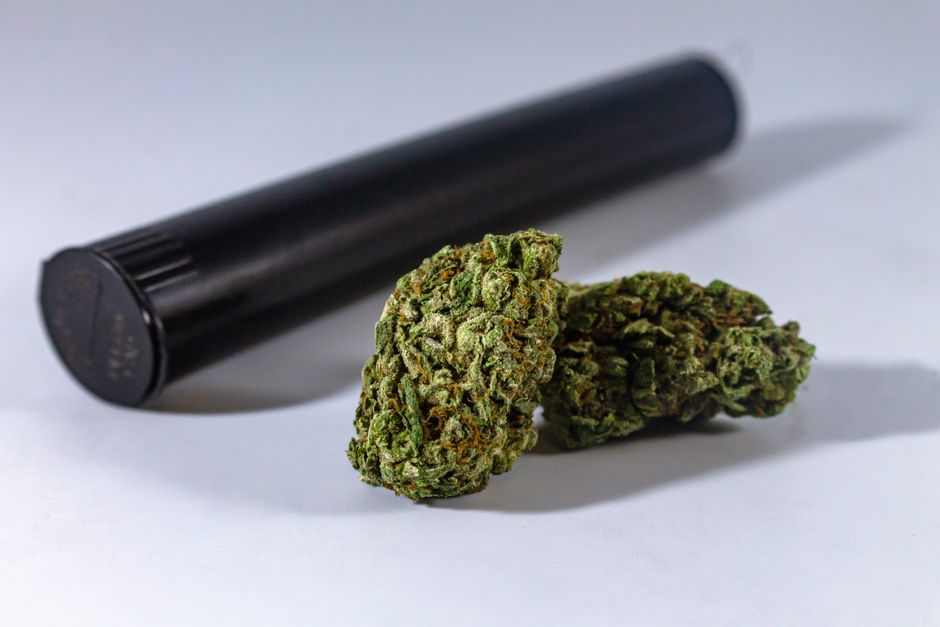
The question I receive most often from patients, caregivers, and worried family members is simple: “Is it legal to smoke medical cannabis in Georgia now?” The answer is a hard, unequivocal no. In fact, if you are caught with raw flower or any apparatus for combustion, you are outside the protections of the Georgia Low THC Oil Registry.
The Shift: From "Low THC Oil" to a Medical Cannabis Framework
For over a decade, Georgia’s legal framework was entirely centered on "Low THC Oil." This was oil derived from cannabis containing no more than 5% THC by weight. When SB 220 made its way through the legislative process, the conversation shifted. The goal was to build a system that finally allowed for the production and distribution of this oil within state lines, rather than forcing patients to rely on a “legal” status that had no legal supply chain.
If you look at the LegiScan bill page for SB 220 and the accompanying enrolled bill PDF, you will see the transition of terminology. We are no longer just talking about "oil." We are talking about a regulated medical cannabis framework. However, the legal definition of how that cannabis is consumed remains tethered to specific, non-combustible delivery methods.
The Combustion Ban: Why Smoking Remains Off the Table
In Georgia, the law strictly prohibits the use of raw, smokable cannabis flower. The statute is explicit: the products manufactured and dispensed under the GMCC framework are limited to oils, tinctures, transdermal patches, lotions, and capsules.
The "What People Miss" Section: Many patients mistakenly believe that because they have a "medical card" (the Low THC Oil Registry card), they are shielded from all cannabis-related arrests. They are not. If law enforcement finds you with raw cannabis flower or a "pre-roll," your state-issued registration card provides zero protection. Furthermore, calling these products "dispensary weed" is inaccurate and dangerous. These are state-regulated therapeutic products; treating them like recreational items from a state with a different legal framework creates a false sense of security that can lead to criminal charges.
Understanding Your Possession Limits
One of the most frequent areas of confusion—and where I see the most misinformation—is the math behind possession. Georgia law does not calculate your limits based on the potency (percentage) of the product. Instead, it relies on strict volume and total milligram thresholds.
It is vital that patients understand these numbers to ensure they remain in compliance with the registry. Below is the breakdown of what is currently allowed under Georgia law:

Note: I have verified these figures against the current Georgia DPH Registry guidelines twice. If you see sources claiming higher volume limits, they are likely conflating Georgia’s law with states like Florida or Colorado. Do not rely on them.
Expanded Qualifying Conditions
The list of qualifying conditions has expanded significantly since the inception of the registry. It is no longer limited to just a few severe cases. However, patients must still be diagnosed by a physician and entered into the state’s registry. If your condition isn't on the list, you cannot legally possess the oil, regardless of your symptoms.
Key conditions currently recognized include:
- Cancer (when the disease is severe or terminal) Amyotrophic Lateral Sclerosis (ALS) Seizure disorders Multiple Sclerosis Crohn’s disease Lupus Intractable pain Sickle cell disease Tourette’s syndrome Parkinson’s disease
Patient Rights Checklist: How to Stay Compliant
If you are a patient in Georgia, use this checklist to ensure you are protecting yourself while seeking treatment. You can screenshot this list and keep it on your phone for reference.
Final Thoughts: A Note on Advocacy
The transition from a restrictive, quasi-legal system to a regulated medical framework is a win for patients, but it is not the end of the road. Georgia’s current laws are designed to be conservative, prioritizing clinical delivery methods over patient convenience. As a former reporter, I have seen firsthand how legislative language is drafted to appease specific concerns about "recreational" use, which is precisely why the smoking ban remains in place.
If you find that the current delivery methods are not effective for your medical needs, the most powerful tool you have is your voice at the State Capitol. Keep your records, stay within the legal volume limits, and—above all—do not smoke, as that is the quickest way to lose the protections the state has finally granted to its patients.